


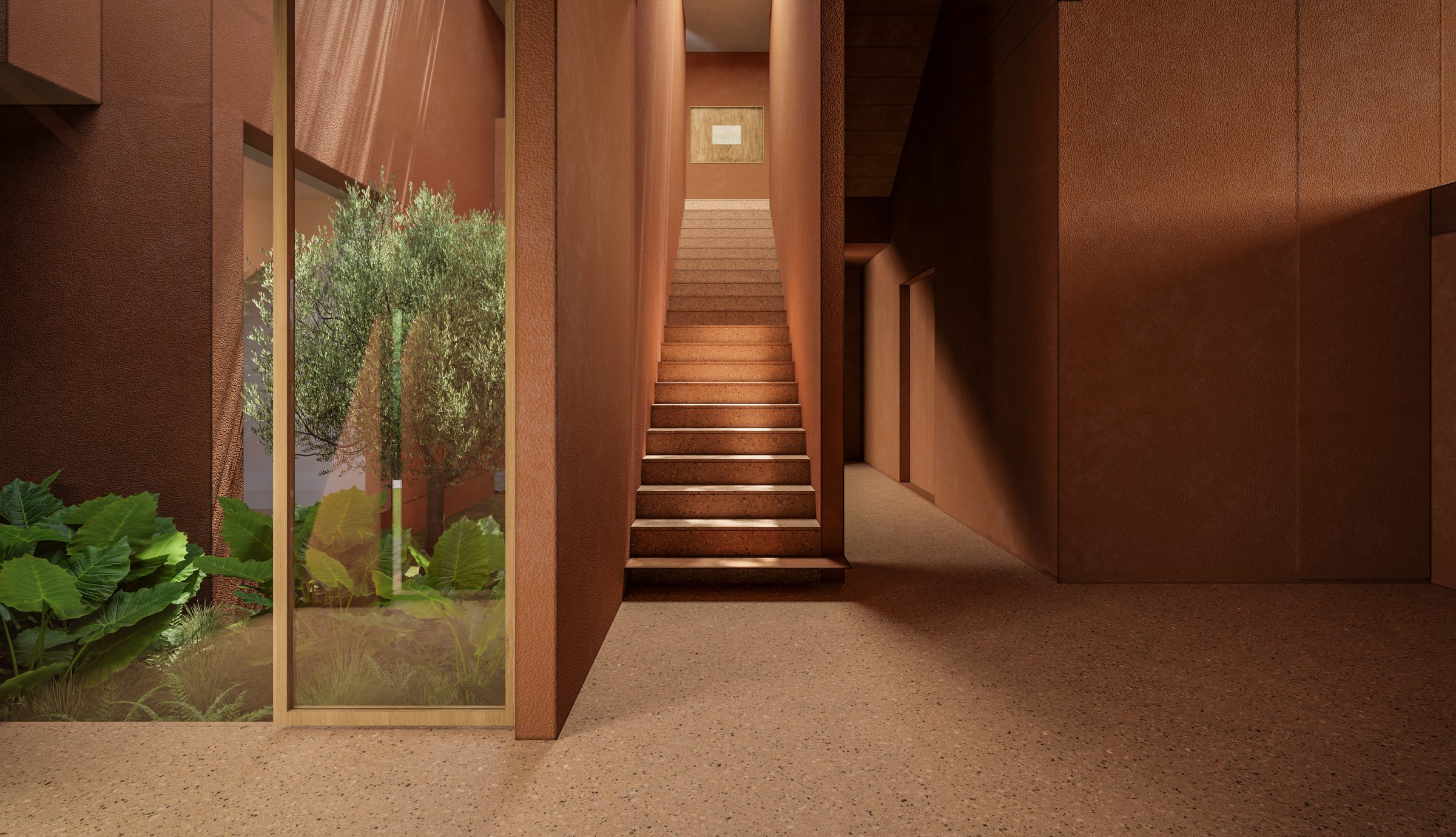
The Japanese magazine Casa BRUTUS introduced the works planned for the permanent exhibition and the architecture by Andra Matin.
Excerpt from the article
“The permanent exhibition will include paintings and installations of representative works, such as the ‘Sea Garden’ series, ‘Goldrain,’ and ‘Light and shadow inside me,’ as well as new works integrated into the architecture. ‘We need both a philosophy and a real place,’ said Kangawa.”
Translated into English from the original article.
Museum Information
Visits — By Invitation Only Beginning Late 2026
Opening Information: Receive the latest opening updates by email — Get Updates
About Emme
Emme is a museum born from the union of nature, art, and architecture. At its heart is a permanent exhibition space shaped through dialogue, complemented by educational programs and a restaurant. Emme is jointly operated by Yayasan Emmerald for Earth—a public foundation based in Bali, Indonesia—and PT Desa Emme Rald, with a portion of the museum’s proceeds directed toward environmental and educational initiatives in the region.
People with deep ties to Indonesia and the wider Asian region were central to the founding of Emme, carrying the hope that the extraordinary experience of art and creativity might continue to circulate across generations. To carry this place—once fallow farmland near Tanah Lot Temple—into the years ahead, Emme invited two creators and entrusted them with that vision.
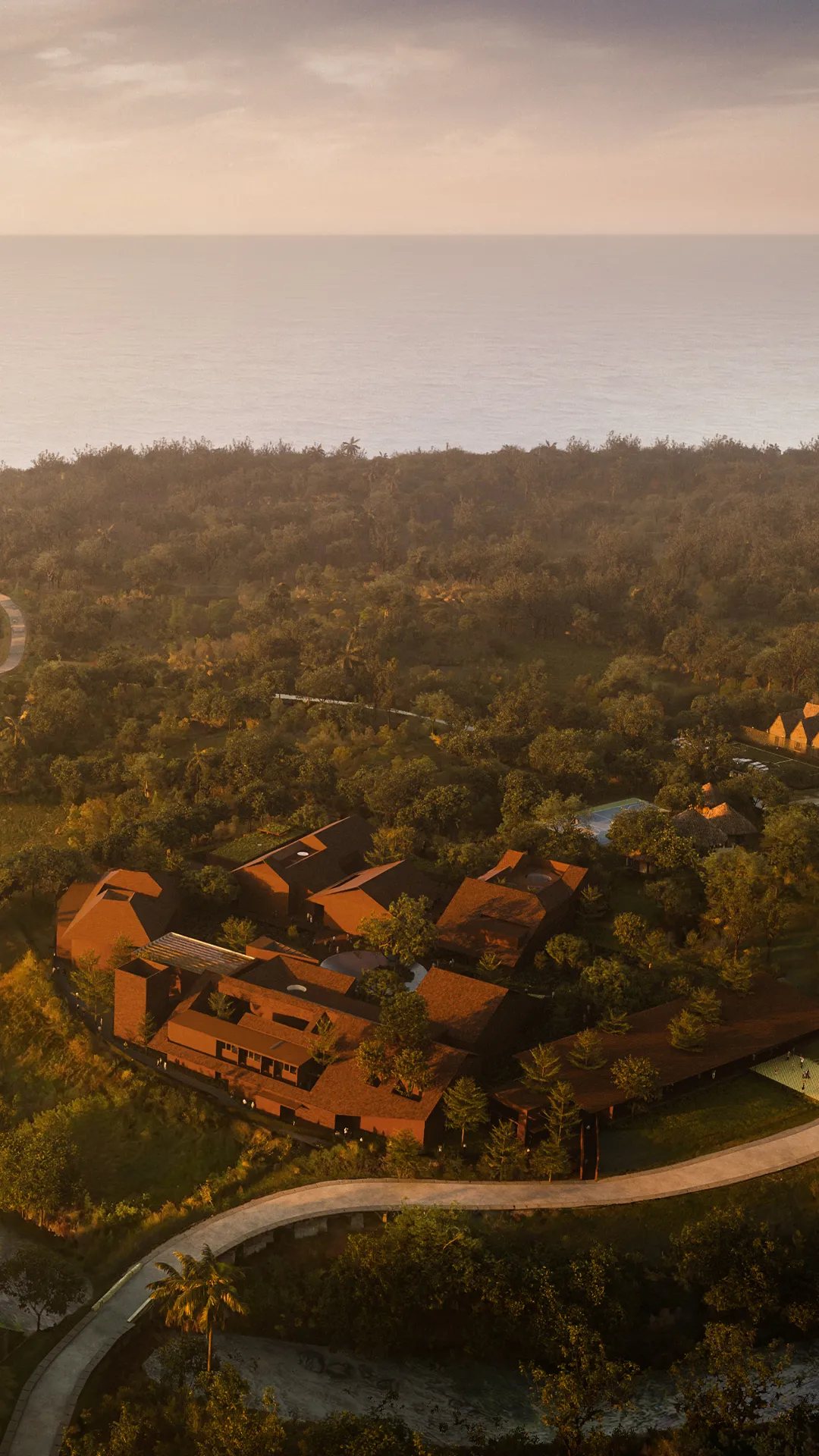
Born of a cross-border dialogue between architect and artist, the space gives precedence to the land’s original vegetation, threading between the trees and taking shape, almost as a plant grows, in response to the orientation of the sun and the passage of the stars.
Exhibition spaces, large and small, welcome visitors. The character of each space resonates with elements this place has long held dear and that we, in turn, seek to honor: continual change, as though breathing with nature; the play of light and shadow; and a deep respect for nature.
Emme spans approximately 5,000 m² on a 1 ha site. Visitors move through its waterways and courtyards, coming upon works in dialogue with natural light. The light that shifts from morning through dusk into night becomes part of the act of viewing itself; that the works change expression with the weather and the hour is among their defining qualities. Special programs are also held after sundown. The permanent collection gathers golden rain, waves of light, a landscape of tens of thousands of fallen leaves, and a large, luminous painting—works built on light, air, wind, and nature.
Those creators, whose work had already deeply moved us, are both based in Asia and active internationally: Andra Matin (architecture) and Eugene Kangawa / EUGENE STUDIO (artworks and spatial concept). Andra Matin works with materials that live in concert with nature, shaping architecture that weathers gracefully over time. Eugene Kangawa, whose work includes the series described above, has long created paintings and spaces that seem to speak to the strength to live and to human existence itself amid the ceaseless flow of time and an ever-changing world.
Andra Matin has said of the museum: “The space and the artworks—both grounded in a deep respect for nature—merge with the spirit of Bali.” Drawing on Natah, the traditional Balinese principle of dwelling, Emme leaves its center unbuilt, giving the space instead to a water garden. The architecture is composed chiefly of terracotta and volcanic stone produced in Bali.
Emme was created so that hope for a life lived within nature, and the felt reality of being present here, might be shared across generations. It is our sincere wish that the wonder and hope we ourselves once felt through their artworks, as well as through the architecture, will carry something forward to generations yet to come. May this remarkable experience—of art and creation—circulate through society.
Finally, we wish to express our heartfelt gratitude to everyone who made this museum possible: those involved in its architecture and construction, in the making and installation of the works, the artists, the surrounding communities, and the many others who offered their support and cooperation.
Operated by: Yayasan Emmerald for Earth / PT Desa Emme Rald