


into the Future
An “Under Construction Tour” with Members of Bali’s Communities at Emme Museum
Part 3: A Place to Begin
Text: Emme Team
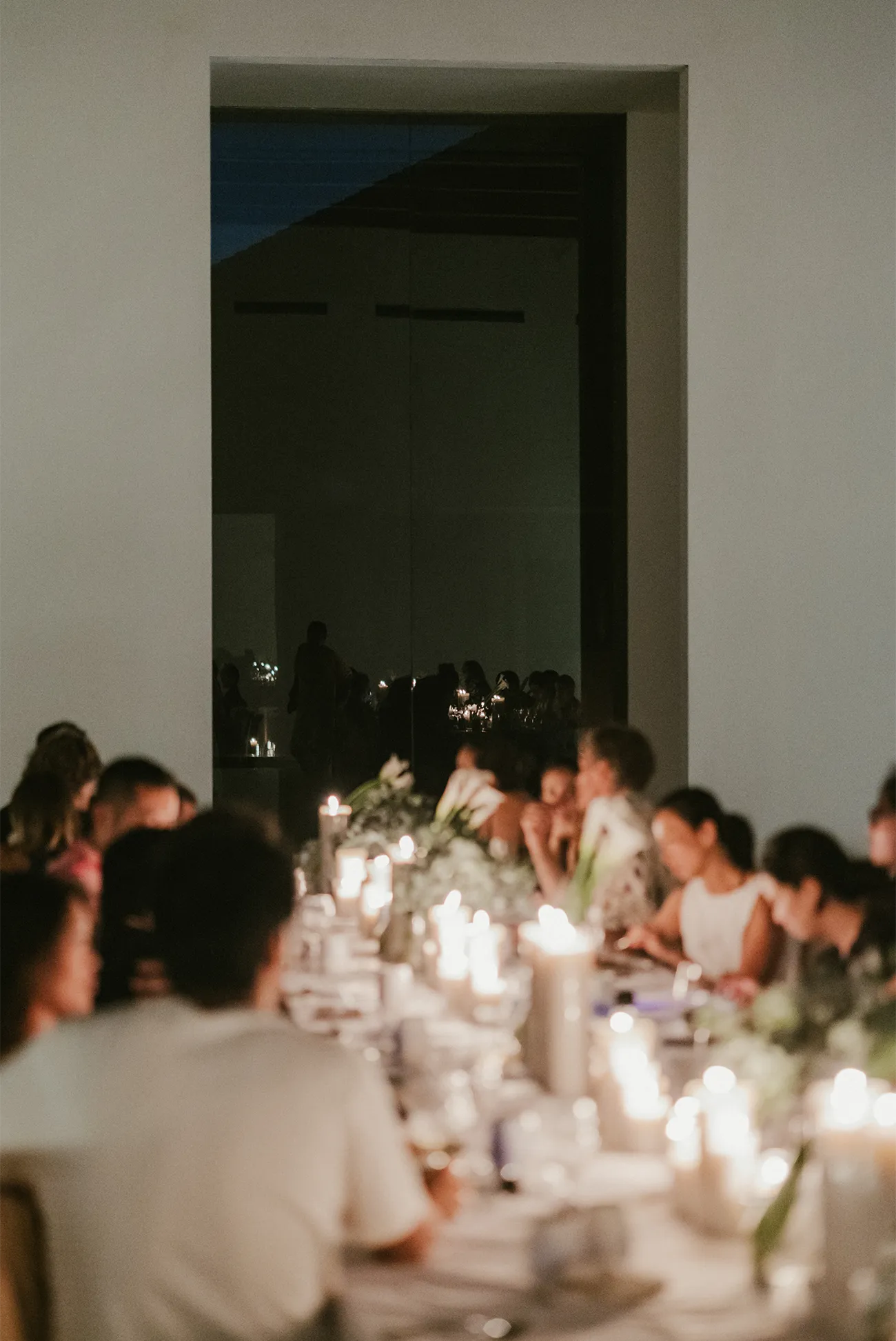
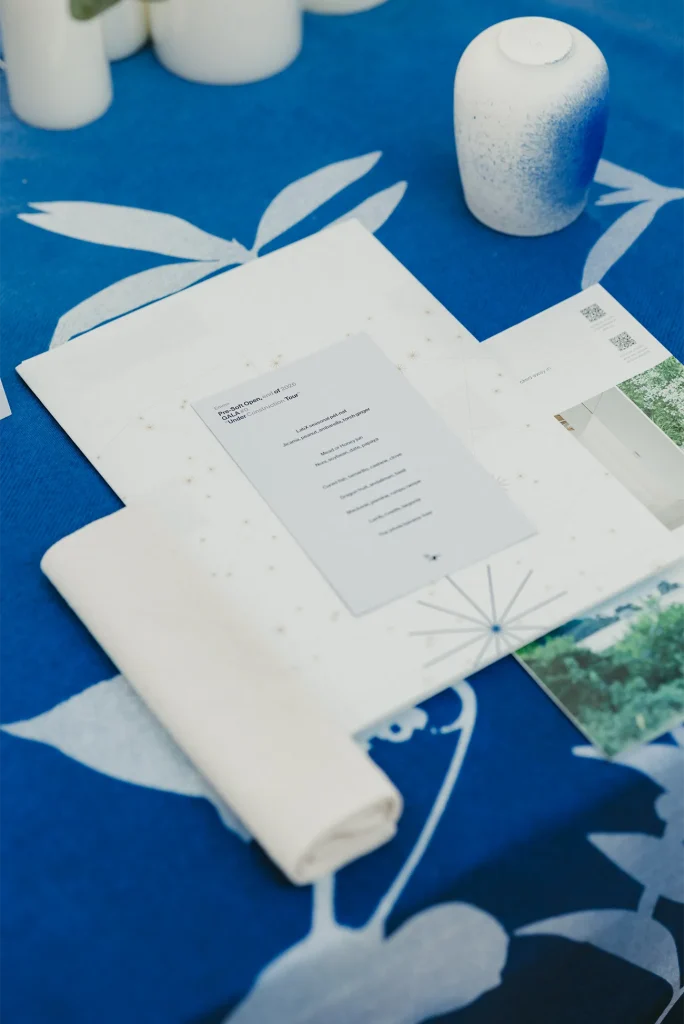
In October 2026, an “Under Construction Tour” with members of Bali’s communities was held inside the museum.
(Read from Part 1)
(Learn more about Careers here.)
People from a wide range of backgrounds in Bali, including culture, public administration, the creative industries, food, and hospitality, gathered for a warm and lively gala. Each guest is in a position to engage critically with the project. Guests also spoke with enthusiasm as they exchanged views on the role Emme might come to play in the surrounding community.
That discussion relate directly to Emme’s guiding idea, beyond time. From its point of departure, Emme is being shaped in close engagement with Bali’s spatial traditions, natural conditions, materials, craftsmanship, and communities. From that specific foundation, we believe it can respect the histories that came before it and create experiences that remain meaningful across generations and nationalities.
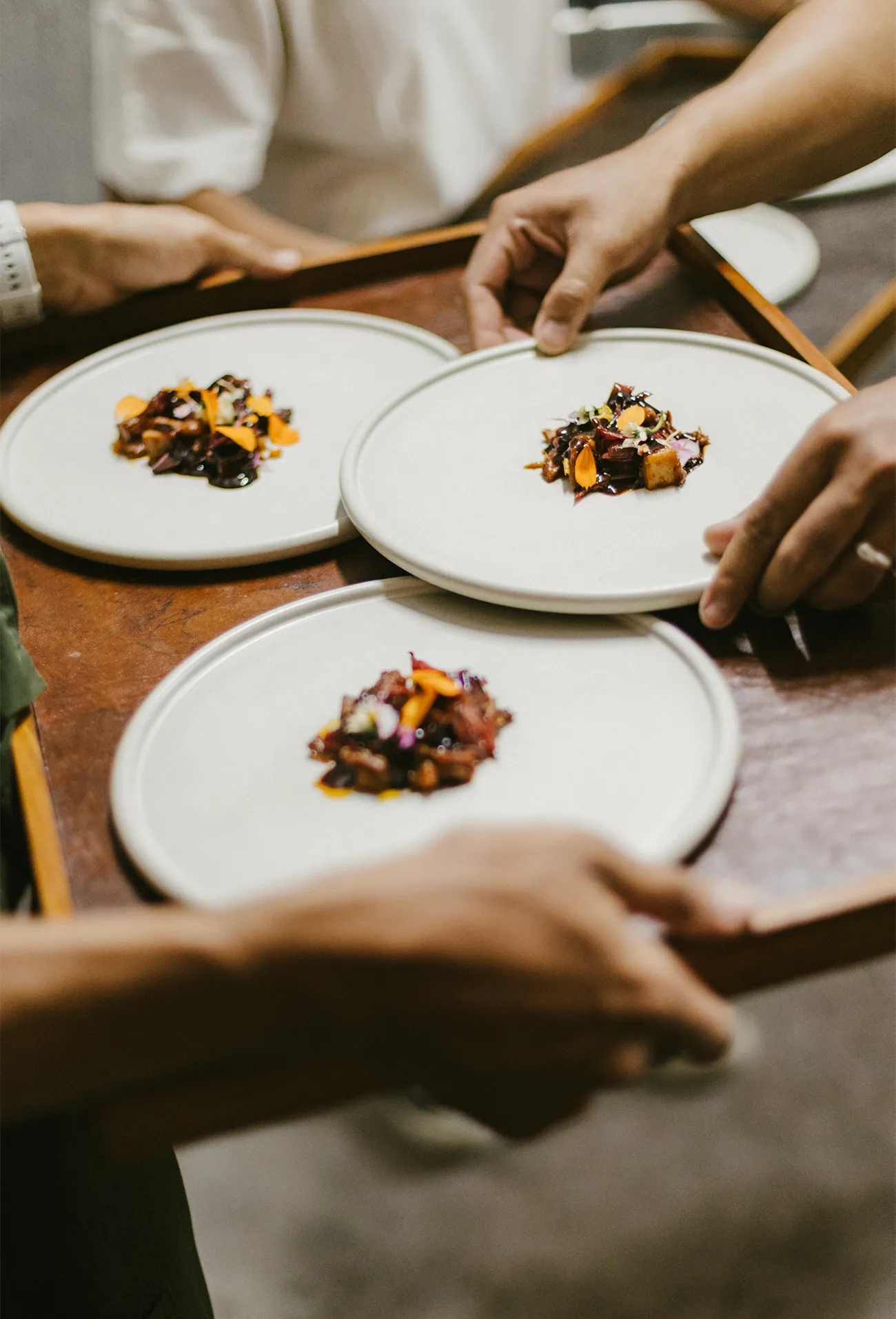
Here are a few of the comments we heard that day. One visitor to the space, I Gusti Ngurah Gde Nugraha, head of the Tabanan Tourism Board; Gungde Oka Suryawan, observed that Emme could become a new landmark for Bali and move many people. A further response was particularly significant to Emme’s philosophy. Although one visitor had seen only a small part of Emme, they already hoped to return in the future—with their children and even their grandchildren. For them, this was the significance of architecture’s permanence. Another Balinese visitor told us, “Emme could establish a new point of reference within Bali’s cultural landscape through its architecture and artworks. I’d like to express my gratitude.”
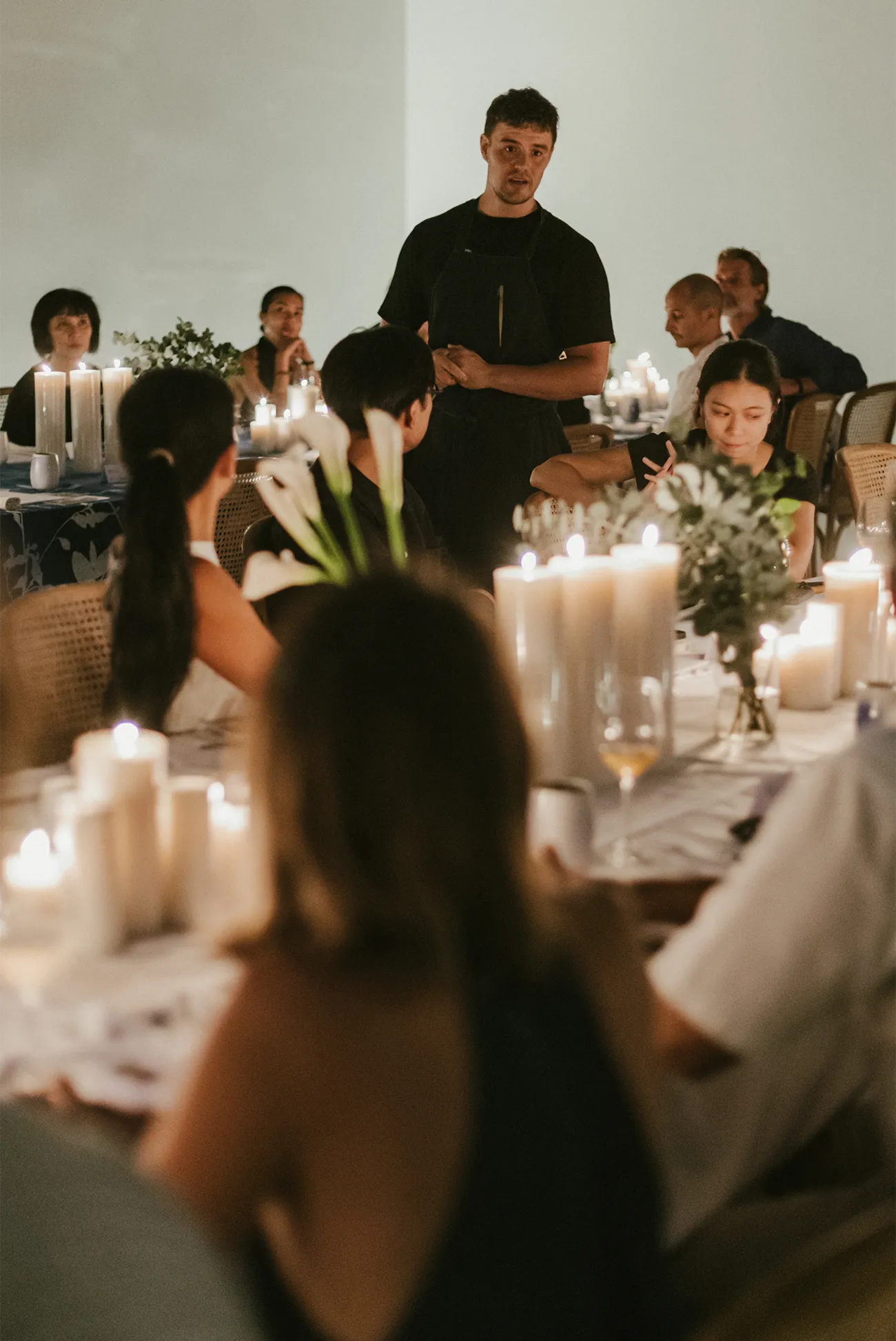
The surrounding community is central to Emme’s commitment to openness. Emme plans to welcome Balinese people, especially children and older people, through partnerships, invitations, and places set aside for free admission. From the outset, a portion of Emme’s revenue has been intended to return to the region.
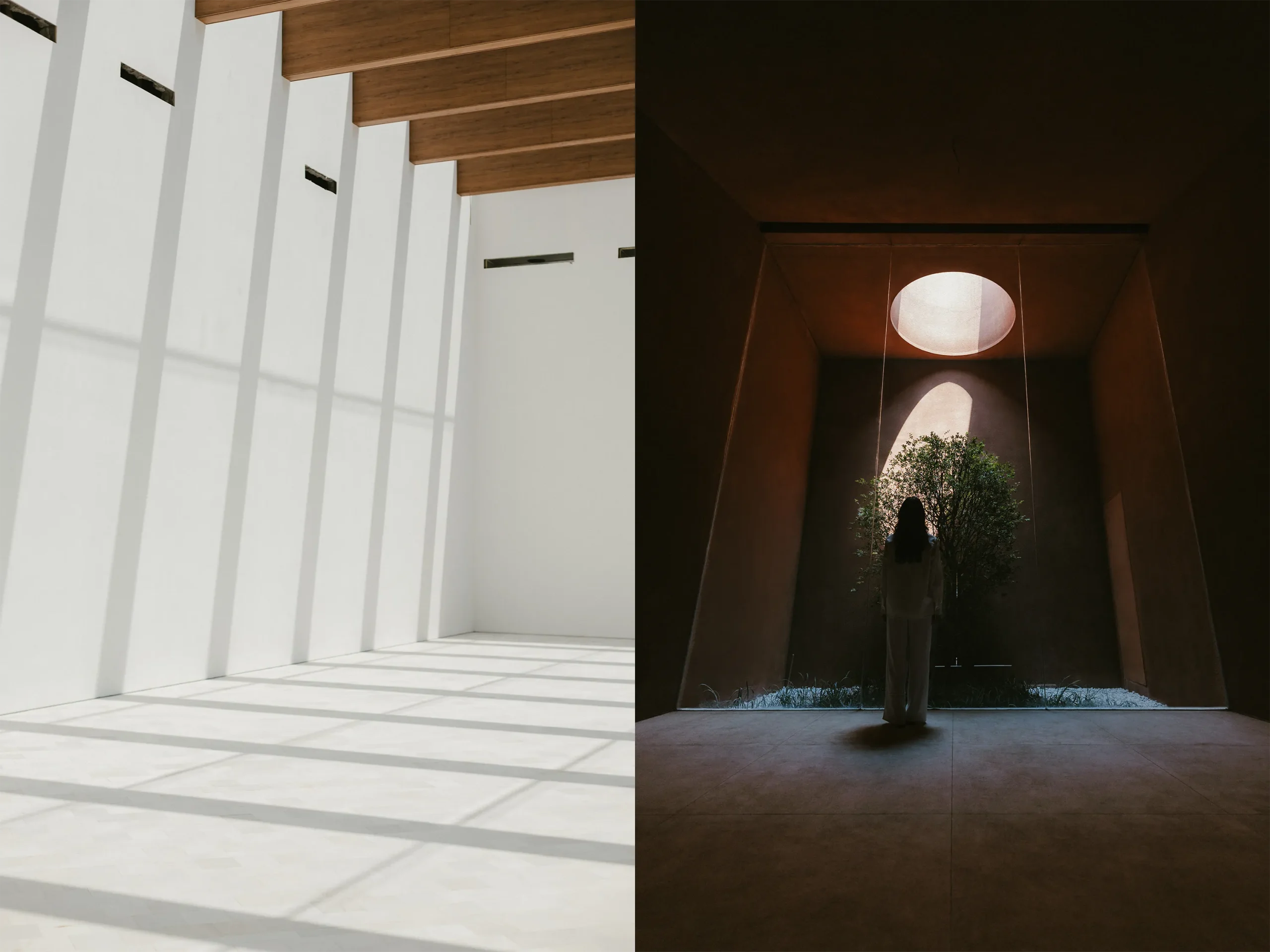
The aim is not to instruct visitors how to live, but to restore attention to things they may already understand but no longer notice clearly. Natural light provides a simple example. Throughout the architecture, thoughtfully conceived by the architect and artist, glass and skylights have been used to admit as much daylight as possible. Light and shadow alter the spaces from morning to noon to evening. Everyone understands that these changes occur, yet in daily life their beauty often recedes beyond conscious attention. An artwork and a carefully formed room can return that ordinary phenomenon to awareness.
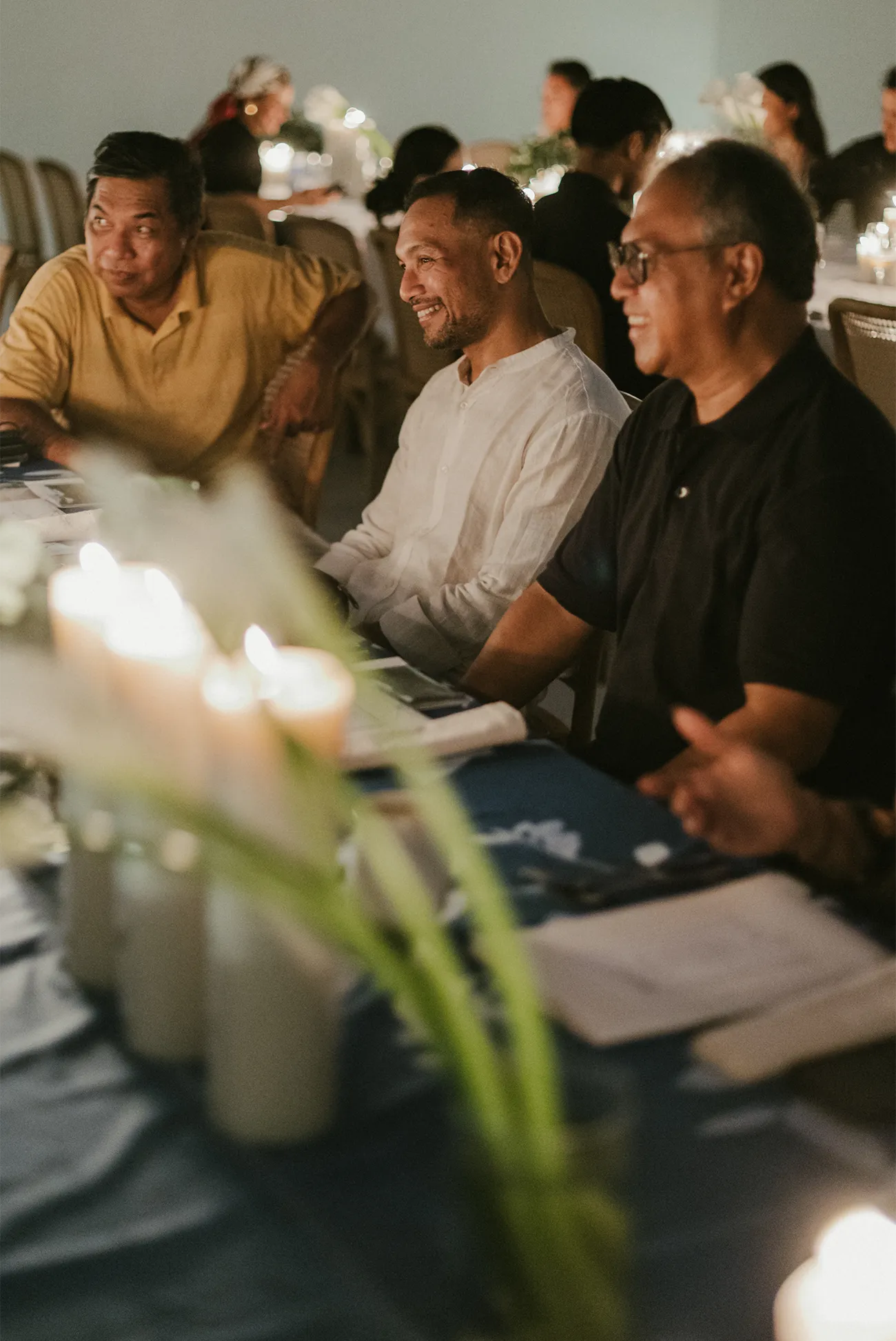
Emme hopes to become a point of departure for its visitors rather than an end in itself. We are interested in what visitors might notice, question, and put into practice in their own communities and daily lives after they leave, drawing on the perspective they gained here. This is what openness means to us.
Openness does not mean reducing quality or complexity. It means removing the assumption that excellence must belong to a limited group. Emme aims to offer precision and singularity while keeping this remarkable architecture, its artworks, and its environment open to the widest possible public. It is also being designed as a place where someone with no established interest in art can arrive casually and receive an experience of the highest quality. At the same time, slower and more individual programmes, together with a framework for academic research into culture, architecture, and the artworks, are also planned.
The future will be shaped by encounters and the collective will of society. Emme was conceived with a longer horizon than a temporary event. Rapid replication from one location to another was never part of that vision.
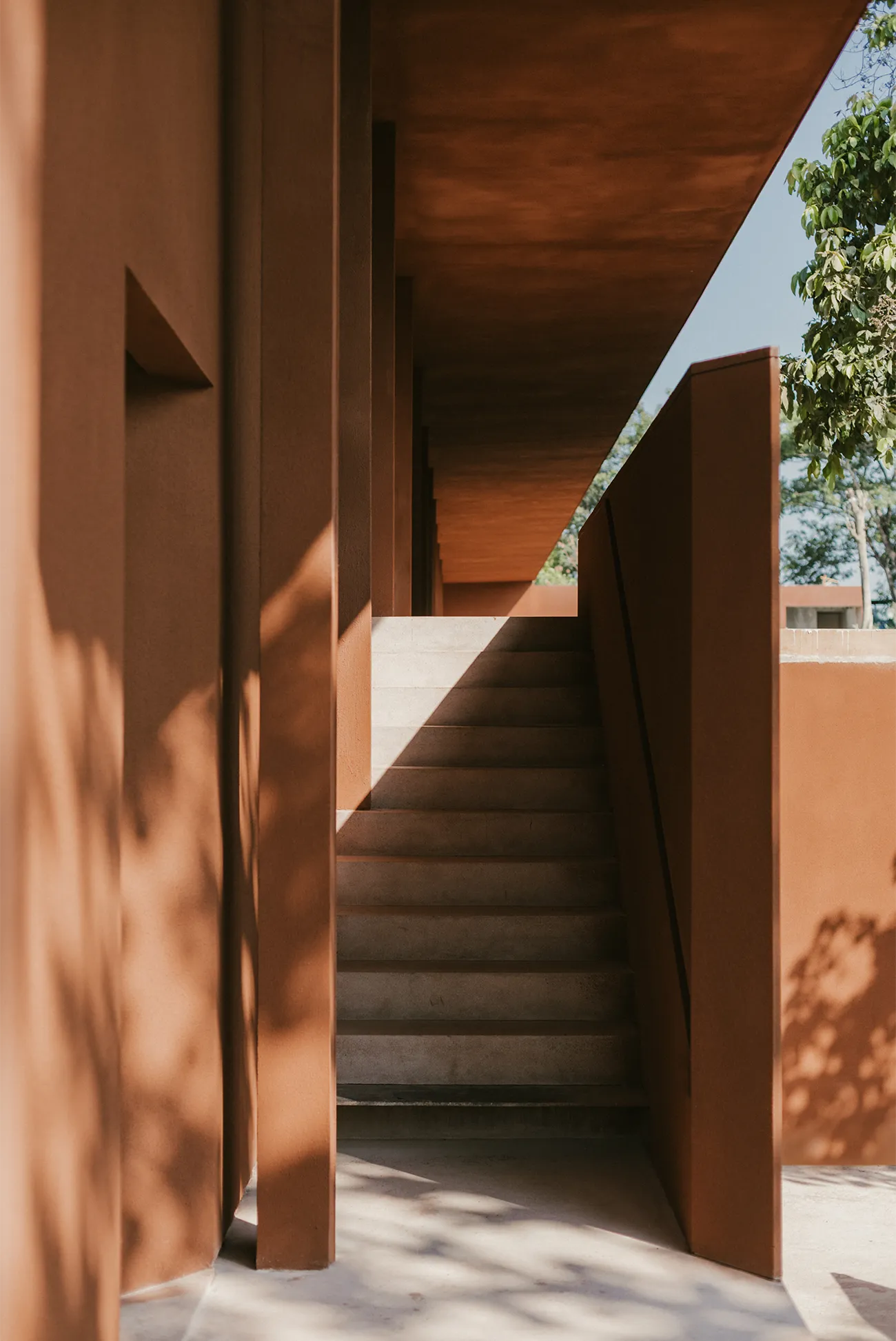
Both the works in Emme’s collection and the museum’s architecture have emerged in remarkable ways from their relationships with nature and the surrounding environment. Those who visit in person will be able to sense this for themselves. There are layers of complexity here that a single photograph cannot reveal. This is one reason we find the work of the artist and the architect unmistakably powerful and consider them both exceptional. Here, for example, both the artworks and the architecture are connected to the sea and the sun. One day, spaces responding to forest, mountain, snow, or desert may also come into being. With such possibilities in mind, dinner ended at nine, and the gathering closed with applause.
It was striking to see how many guests repeatedly looked back at the architecture as they left. The grand opening awaits. After opening, Emme’s work will be to continue striving so that encounters between this place and a wider public lead to more moments of awareness and action.
Museum Information
Visits — By Invitation Only Beginning Late 2026
Opening Information: Receive the latest opening updates by email — Get Updates
About Emme
Emme is a museum born from the union of nature, art, and architecture. It has permanent exhibition rooms displaying works from its collection, alongside educational programs and a restaurant. Emme is jointly operated by Yayasan Emmerald for Earth—a public foundation based in Bali, Indonesia—and PT Desa Emme Rald, with a portion of the museum’s proceeds directed toward environmental and educational initiatives in the region.
The founding of Emme carries the hopes of people from different countries with deep ties to Indonesia and the wider Asian region. Their wish is for the extraordinary experience of art and creativity to be passed on to future generations.
To carry this place—farmland near Tanah Lot Temple that had long lain fallow—into the future, Emme invited creators and entrusted them with that vision. Through dialogue between architect and artist, the space took shape with respect for the vegetation already growing here, threading between the trees. It grew almost like a plant, in response to the orientation of the sun and the passage of the stars.
On a 1 ha site that was once fallow farmland, Emme spans approximately 5,000 m², including the entrance area. Spaces large and small welcome visitors. The artworks displayed in each space resonate deeply with elements this place has long held dear—continual change as though breathing with nature, the play of light and shadow, and a deep respect for nature.
Visitors make their way through waterways and courtyards, coming upon works in dialogue with natural light. The light shifts from morning through dusk into night, and the way the works change expression with the time of day and the weather is one of Emme’s defining features. Special tours are also held after sundown. The permanent collection includes golden rain, pillars of light, and a large, luminous painting—works made with elements such as light, air, and wind…